Herniated Disc vs Bulging Disc vs Degenerative Disc: Understanding the Differences and Finding the Right Path to Relief
Back pain is one of the most common health concerns worldwide. Millions of people experience discomfort in the spine at some point in their lives. Often, this pain is linked to problems within the spinal discs. Three of the most commonly discussed conditions are herniated discs, bulging discs, and degenerative disc disease.
Many people use these terms interchangeably, but they are not the same. Each condition affects the spinal discs differently and can lead to varying levels of pain, mobility issues, and nerve irritation.
Understanding the differences between these spinal conditions is essential. When people know what is happening in their spine, they are better equipped to seek the right treatment, prevent further damage, and regain a pain-free lifestyle.
In this comprehensive guide, we will explore herniated discs, bulging discs, and degenerative disc disease in depth. You will learn how they occur, what symptoms they cause, how doctors diagnose them, and what treatment options can help restore spinal health.
This article will also help you understand how lifestyle choices, posture habits, and professional care can play a significant role in preventing long-term spinal problems.
What Are Spinal Discs?
Before understanding these conditions, it is important to understand the role of spinal discs.
The spine is made up of a series of bones called vertebrae. Between each vertebra sits a soft, cushion-like structure known as an intervertebral disc. These discs act as shock absorbers and help the spine move smoothly.
Each disc has two primary components.
The outer layer is called the annulus fibrosus. This is a tough, fibrous ring that provides structure and stability to the disc.
Inside this ring is a soft, gel-like center called the nucleus pulposus. This inner core helps absorb pressure and distribute forces when the spine moves.
Healthy discs allow the spine to bend, twist, and support the body’s weight without causing pain. However, when these discs become damaged, weakened, or displaced, they can lead to significant discomfort and mobility issues.
Disc injuries and degeneration are among the leading causes of chronic back pain.
What Is a Bulging Disc?
A bulging disc occurs when a spinal disc protrudes outward beyond its normal boundary. However, unlike a herniated disc, the outer layer of the disc remains intact.
The disc essentially pushes outward due to pressure or weakness in the outer wall.
This bulging can sometimes compress nearby nerves, which may lead to symptoms such as pain, tingling, or numbness.
However, many people with a bulging disc experience little to no symptoms.
How a Bulging Disc Develops
Bulging discs often develop gradually over time. They are commonly associated with aging and wear on the spine.
As people grow older, spinal discs lose hydration and elasticity. This makes them more vulnerable to deformation under pressure.
Poor posture, repetitive strain, heavy lifting, and sedentary lifestyles can also contribute to disc bulging.
In many cases, a bulging disc is discovered incidentally during imaging tests like MRI scans.
Symptoms of a Bulging Disc
The symptoms of a bulging disc vary depending on its location and whether it presses against nearby nerves.
Some people experience mild stiffness or localized pain in the neck or lower back. Others may develop nerve-related symptoms if the disc pushes against spinal nerves.
Common symptoms include radiating pain in the arms or legs, tingling sensations, numbness, and muscle weakness.
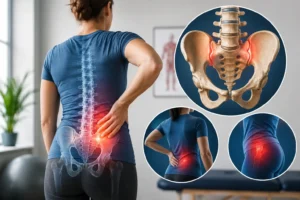
In the lumbar spine, a bulging disc can lead to symptoms similar to sciatica. In the cervical spine, it may cause neck pain or discomfort that travels into the shoulders and arms.
What Is a Herniated Disc?
A herniated disc is more severe than a bulging disc. In this condition, the outer layer of the disc tears or ruptures, allowing the inner gel-like material to leak outward.
This leakage can irritate nearby nerves and cause intense pain.
Herniated discs are sometimes referred to as slipped discs, ruptured discs, or prolapsed discs.
How a Herniated Disc Happens
Herniated discs can develop suddenly or gradually.
A sudden herniation may occur during heavy lifting, twisting movements, or trauma to the spine.
However, most herniated discs develop over time as the disc weakens due to aging or repeated strain.
When the annulus fibrosus becomes weakened, even minor stress can cause a tear that allows the inner nucleus to push through.
This often leads to nerve compression and inflammation.
Symptoms of a Herniated Disc
The symptoms of a herniated disc are often more intense than those of a bulging disc.
Pain is usually sharp and radiating. It may travel along the path of the affected nerve.
In the lower back, herniated discs frequently cause sciatica, which is characterized by pain that runs from the lower back down the leg.
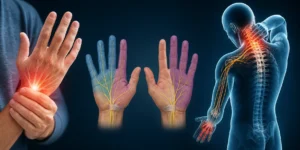
In the neck, a herniated disc can cause pain that spreads into the shoulders, arms, and hands.
Other symptoms include numbness, tingling, muscle weakness, and reduced mobility.
In severe cases, nerve compression can affect reflexes or muscle control.
What Is Degenerative Disc Disease?
Degenerative disc disease is a condition that occurs when spinal discs gradually wear down over time.
Despite its name, it is not technically a disease. It is a natural part of aging.
However, for some individuals, the degeneration of spinal discs can lead to significant pain and reduced mobility.
As discs lose water content and flexibility, they become thinner and less effective at absorbing shock.
This can lead to increased pressure on surrounding structures, including joints and nerves.
Causes of Degenerative Disc Disease
Aging is the most common cause of disc degeneration.
Over time, discs lose hydration and elasticity. This reduces their ability to cushion the vertebrae.
Repetitive strain, injuries, genetics, and lifestyle habits can accelerate this process.
Smoking, poor posture, and prolonged sitting are also known risk factors.
Degenerative disc disease most commonly affects the cervical spine in the neck and the lumbar spine in the lower back.
Symptoms of Degenerative Disc Disease
Symptoms vary depending on the severity of the degeneration and which part of the spine is affected.
Many people experience chronic back or neck pain that worsens with movement.
Pain may improve when lying down or changing positions.
Some individuals also experience stiffness, reduced flexibility, and occasional flare-ups of intense discomfort.
In certain cases, degenerative discs can contribute to other spinal problems such as herniated discs or spinal stenosis.
Key Differences Between Herniated Disc, Bulging Disc, and Degenerative Disc
Although these conditions affect the same spinal structures, they differ significantly in how they develop and impact the body.
A bulging disc involves outward expansion of the disc without rupture.
A herniated disc occurs when the outer layer tears and the inner material leaks out.
Degenerative disc disease refers to the gradual breakdown of spinal discs over time.
Another key difference lies in symptom severity.
Bulging discs may cause mild or no symptoms. Herniated discs often produce intense nerve pain. Degenerative disc disease usually causes chronic discomfort that fluctuates over time.
Understanding these differences helps healthcare providers determine the most effective treatment strategy.
Risk Factors for Disc Problems
Several factors increase the risk of developing spinal disc problems.
Age is one of the most significant contributors. As discs lose hydration and elasticity, they become more vulnerable to injury.
Occupational hazards also play a role. Jobs that require repetitive lifting, bending, or twisting can put excessive strain on the spine.
Sedentary lifestyles contribute as well. Sitting for long periods places increased pressure on spinal discs.
Obesity can also increase spinal stress. Excess body weight places additional load on the lower back.
Poor posture is another major contributor. Slouching or improper ergonomics can accelerate disc damage over time.
Diagnosis of Spinal Disc Conditions
Diagnosing spinal disc problems typically involves a combination of physical examination and imaging tests.
Healthcare providers begin by evaluating symptoms, medical history, and mobility.
They may test muscle strength, reflexes, and nerve sensitivity.
Imaging techniques such as MRI scans are commonly used to confirm the diagnosis.
MRI provides detailed images of spinal discs, nerves, and surrounding tissues.
CT scans and X-rays may also be used to rule out other conditions or assess spinal alignment.
Accurate diagnosis is essential for creating an effective treatment plan.
Treatment Options for Herniated, Bulging, and Degenerative Discs
Most spinal disc conditions can be managed without surgery.
Conservative treatments are often effective in reducing pain and restoring mobility.
Physical therapy is one of the most common approaches. Targeted exercises help strengthen muscles that support the spine.
Pain management techniques may include anti-inflammatory medications, heat therapy, and gentle stretching.
Lifestyle modifications also play an important role. Improving posture, maintaining a healthy weight, and staying active can significantly reduce spinal stress.
Chiropractic care is another widely used treatment for spinal disc problems. Chiropractic adjustments aim to restore proper alignment and reduce nerve pressure.
In severe cases, surgical intervention may be recommended. However, surgery is usually considered only when conservative treatments fail.
Preventing Spinal Disc Problems
Preventing disc injuries begins with maintaining a healthy spine.
Regular exercise strengthens the muscles that support the back and neck.
Core stability is particularly important for spinal protection.
Proper lifting techniques can prevent sudden disc injuries. Always lift with the legs rather than the back.
Maintaining good posture while sitting and standing reduces unnecessary spinal strain.
Ergonomic workspaces also play a crucial role in spinal health.
Staying hydrated supports disc health as well. Spinal discs rely on hydration to maintain their cushioning properties.
By adopting healthy habits early, individuals can significantly reduce their risk of developing spinal disc conditions.
Living With Disc-Related Back Pain
Living with spinal disc issues can be challenging, but many people successfully manage their symptoms.
Consistency in treatment and lifestyle adjustments is key.
Regular movement helps keep the spine flexible and reduces stiffness.
Gentle activities such as walking, stretching, and swimming are often recommended for individuals with back pain.
Stress management also plays an important role in pain perception. Techniques such as meditation, breathing exercises, and relaxation therapy may help reduce discomfort.
With the right care plan, many individuals experience significant improvement in their quality of life.
When to Seek Professional Help
While occasional back pain is common, persistent or severe symptoms should not be ignored.
Medical evaluation is important when pain lasts longer than a few weeks or worsens over time.
Symptoms such as numbness, weakness, or radiating pain may indicate nerve involvement.
Early intervention can prevent minor disc issues from progressing into more serious conditions.
Seeking professional care ensures that individuals receive an accurate diagnosis and appropriate treatment.
Conclusion
Understanding the difference between herniated discs, bulging discs, and degenerative disc disease is essential for anyone experiencing back or neck pain. Although these conditions affect the spinal discs in different ways, they can all impact mobility, comfort, and overall quality of life.
Bulging discs involve the outward expansion of the disc without rupture, while herniated discs occur when the outer layer tears and the inner material pushes out. Degenerative disc disease develops gradually as discs lose hydration and structural integrity over time.
Early diagnosis and proper care can significantly improve outcomes. Conservative treatments such as chiropractic care, physical therapy, and lifestyle changes often provide effective relief and help prevent further spinal damage.
If you are experiencing ongoing back or neck discomfort and want professional guidance, contact Flynn Chiro Melbourne CBD or Prahran to discuss the best treatment options for your spinal health.
FAQs
What is the main difference between a bulging disc and a herniated disc?
A bulging disc occurs when the disc protrudes outward but the outer layer remains intact. A herniated disc involves a tear in the outer layer, allowing the inner material to leak out and potentially irritate nearby nerves.
Is degenerative disc disease a serious condition?
Degenerative disc disease is a natural part of aging, but it can cause chronic pain and reduced mobility in some individuals. Proper treatment and lifestyle adjustments can help manage symptoms effectively.
Can a bulging disc turn into a herniated disc?
Yes, a bulging disc can eventually develop into a herniated disc if the outer layer weakens and tears. Early treatment can help prevent progression.
How long does it take for a herniated disc to heal?
Recovery time varies depending on the severity of the injury. Many people experience improvement within a few weeks to a few months with proper treatment and rehabilitation.
Can chiropractic care help with disc problems?
Chiropractic care can help improve spinal alignment, reduce nerve pressure, and support the healing process for many disc-related conditions.
Do all herniated discs require surgery?
No, most herniated discs can be treated successfully with non-surgical methods such as physical therapy, chiropractic care, and lifestyle changes. Surgery is typically considered only when conservative treatments do not provide relief.

Flynn Pettersson
I am committed to providing exceptional chiropractic care in Melbourne, focused on your health and well-being.
Flynn Pettersson
I am committed to providing exceptional chiropractic care in Melbourne, focused on your health and well-being.